; ?>)

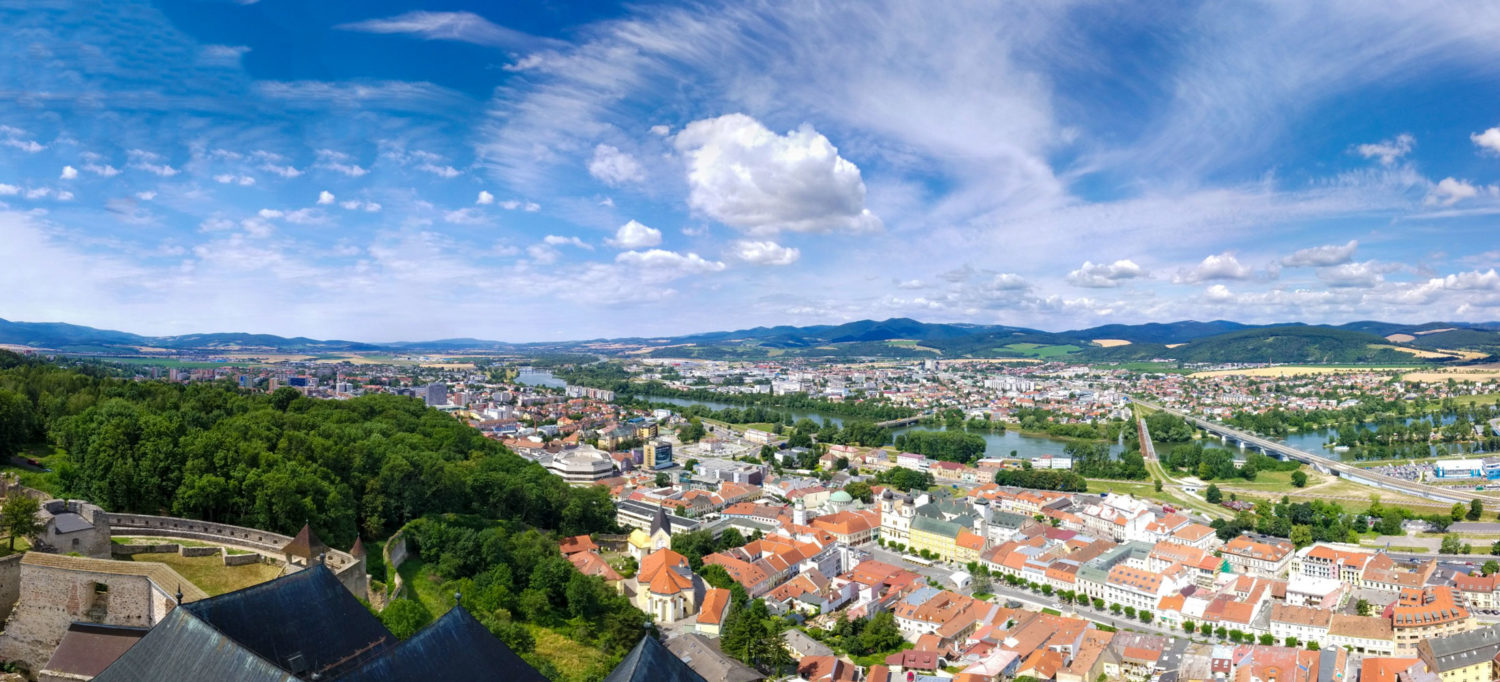
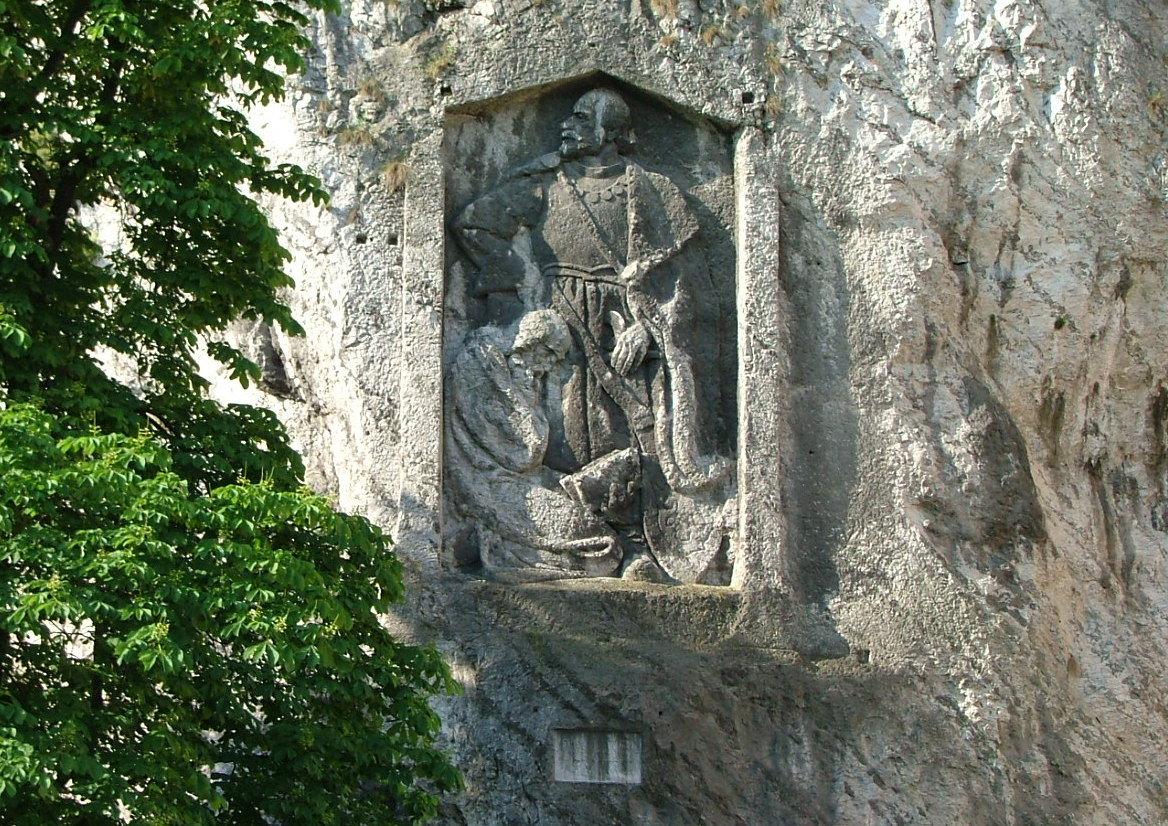
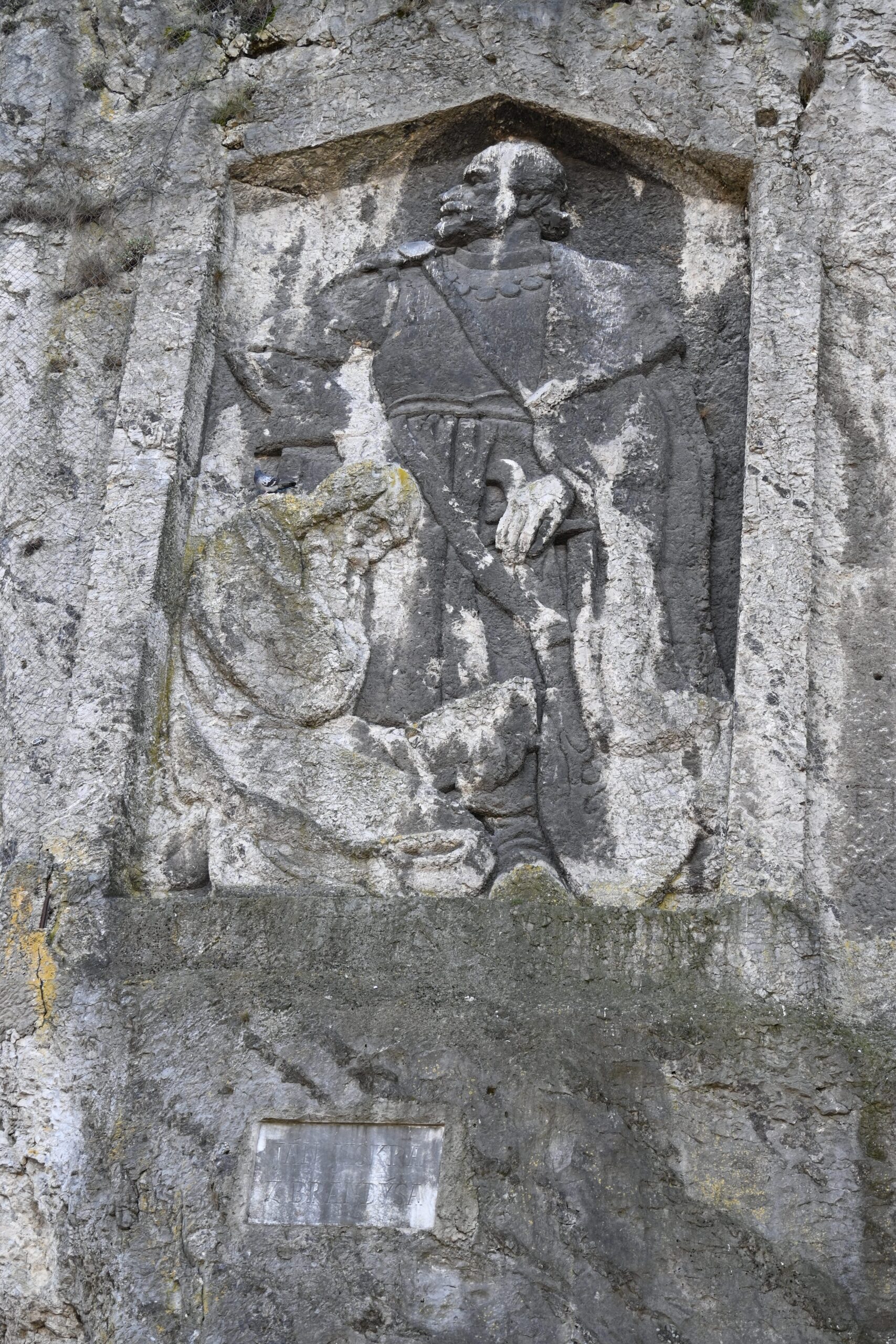
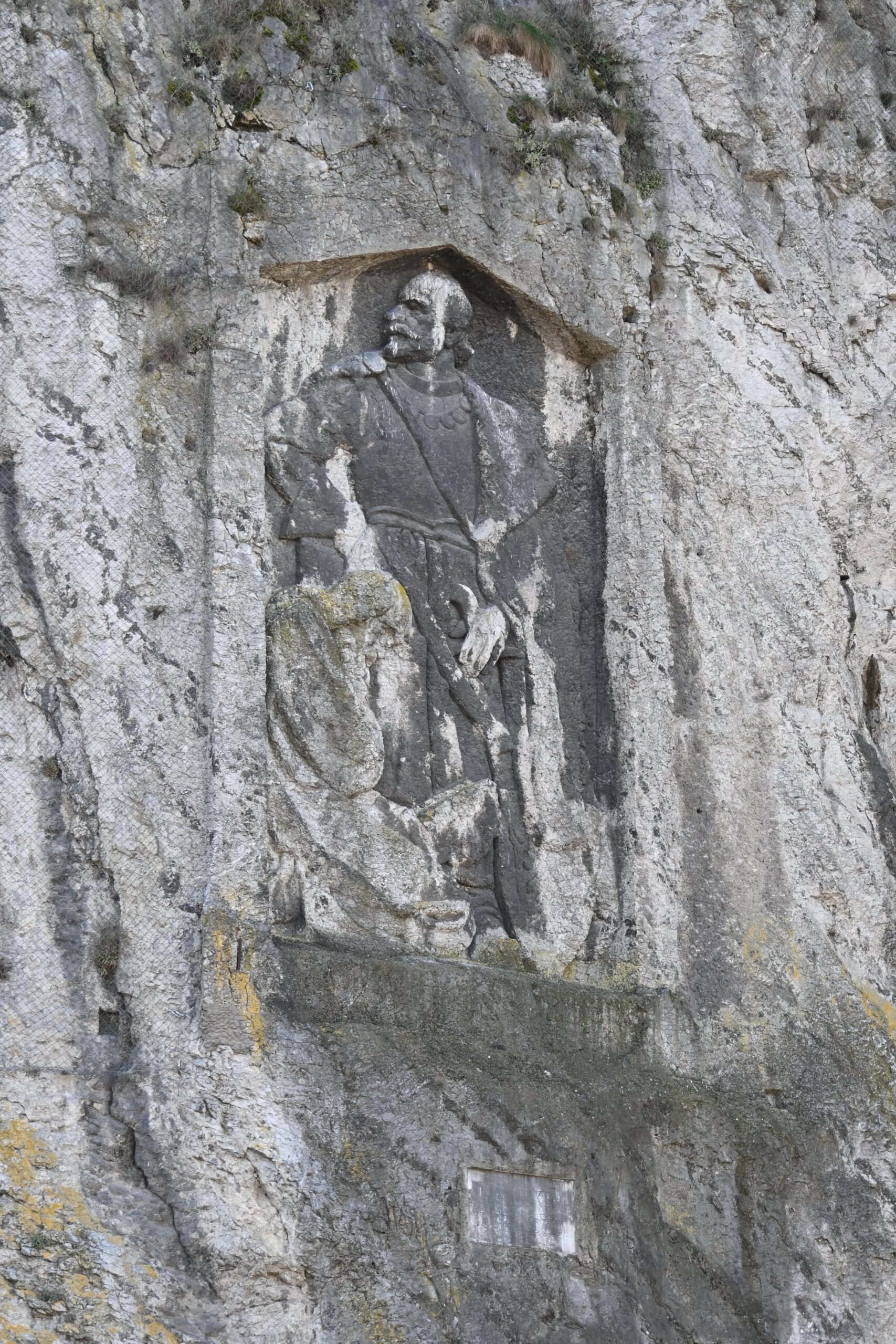
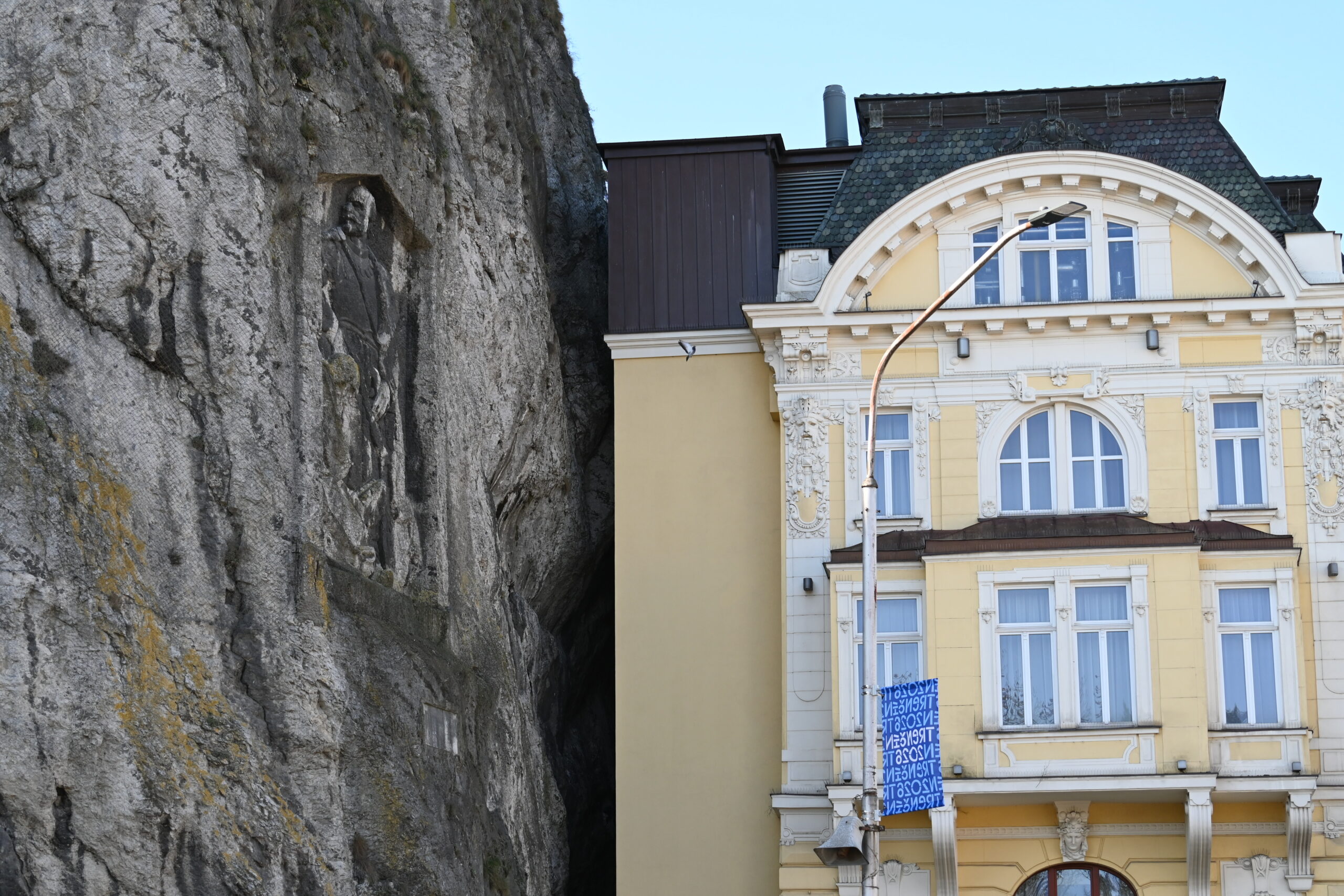
In the years 1915–1916, on the castle rock near Hotel Elizabeth, the Relief of Victorious Hungary was carved, symbolizing the heroism of the former Kingdom of Hungary, accompanied by a Hungarian inscription, based on a design by sculptor Michal Kara. Due to its ideological incompatibility with the political line of the new republic, in 1921 the original relief was re-carved as the Relief of Ján Jiskra of Brandýs, symbolizing the brotherhood of the two nations. Its author was academic sculptor František Ducháč-Vyskočil, together with the Hořice School of Stonework.
Ján Jiskra of Brandýs
Ján Jiskra (c. 1400 – 1468/1471) was a Czech nobleman and mercenary who operated in the territory of present-day Slovakia. In his youth, he trained in military arts in Italy and mastered Hussite combat tactics.
After the death of King Sigismund of Luxembourg and the rise of Polish King Władysław III, Jiskra took action. He was entrusted with defending the rights of Ladislaus the Posthumous, the son of Queen Elizabeth of Luxembourg. With an army of about five thousand soldiers, he captured central Slovak mining towns, Spiš, and part of eastern Slovakia, including Kremnica, where he minted ducats in the name of Ladislaus, ensuring the stability of his rule.
After Queen Elizabeth’s death, Jiskra became the chief captain of Ladislaus’s army. He fought against John Hunyadi, achieving victories such as the Battle of Lučenec (1451), which secured his important position. Later, he collaborated with the military brotherhood Bratríci, and after the accession of King Matthias Corvinus (1458), he entered his service. He was elevated to baron and received the Solymos and Lippa castles. Jiskra also participated in battles against the Turks and negotiated peace with Sultan Mehmed II in Istanbul (1467).
Jiskra spent 22 years in Slovakia, leaving a lasting cultural impact. He helped establish Czech as the literary and cultural language among Slovaks. Although sometimes mistakenly called a Hussite, Jiskra was a Catholic and maintained good relations with anti-Hussite Czech nobility.
The exact date and place of his death are unknown. He is last mentioned in a document from October 22, 1468, and by February 6, 1471, he is already listed as deceased.
Gallery