; ?>)

Sights
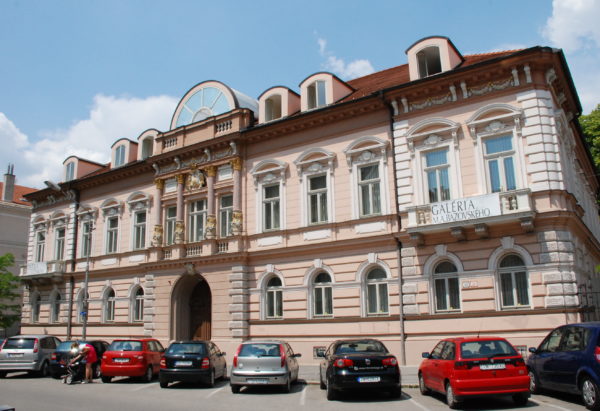
County house
The County House is one of the landmarks of Mierové Square and ranks among the most important historic buildings in Trenčín. For decades, it served as the seat of the county administration and later the museum. Today, following an extensive renovation, it has come back to life as a vibrant cultural venue.From the Illésházy palace to the Trenčín museum
Originally, the building was the town palace of the influential and wealthy Hungarian noble family, the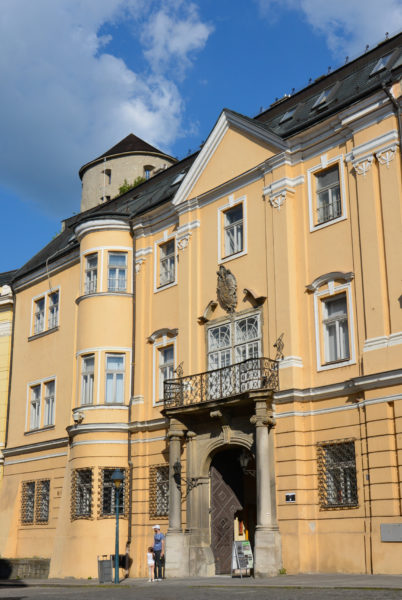
Trenčín Castle (Trenčiansky hrad)
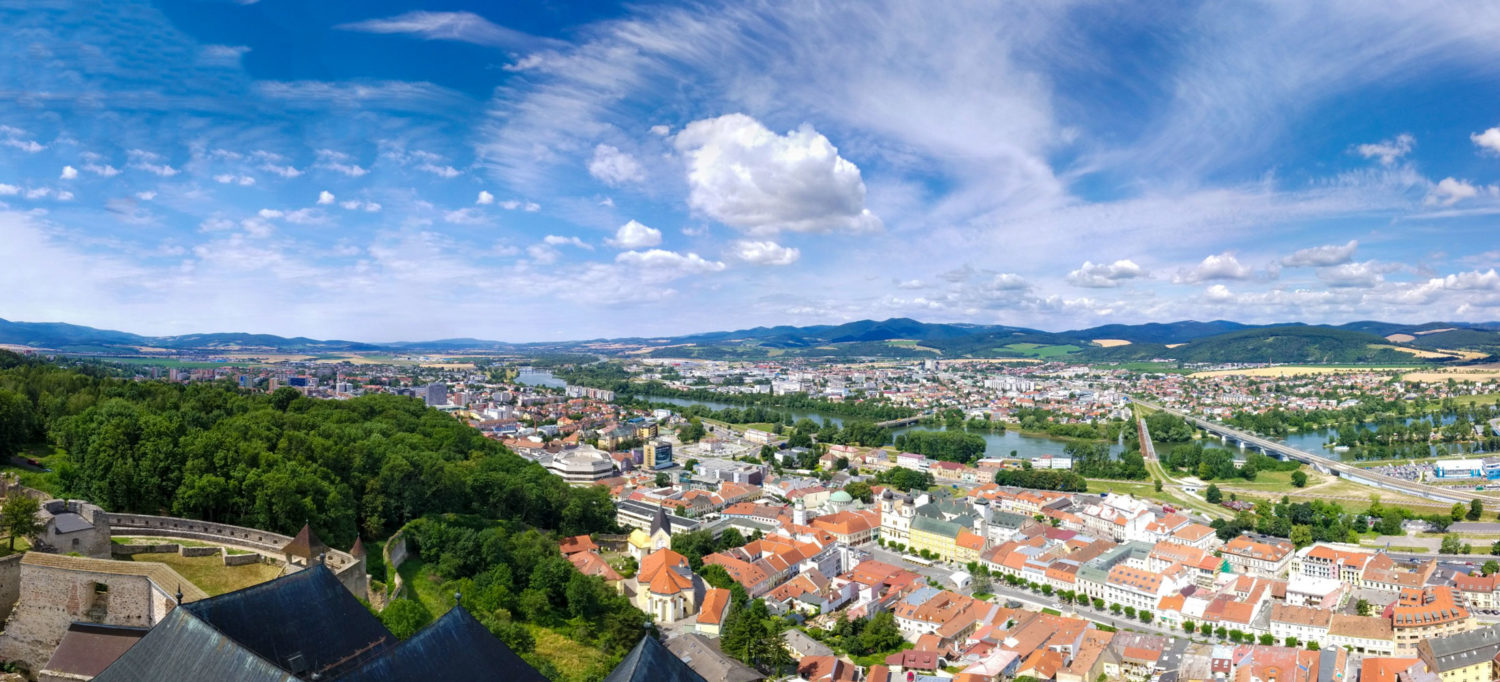
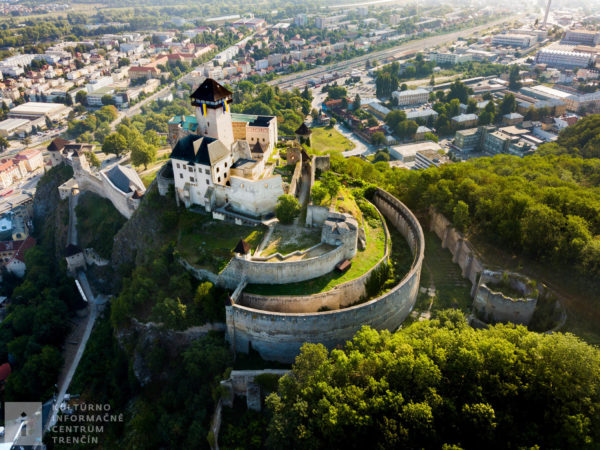
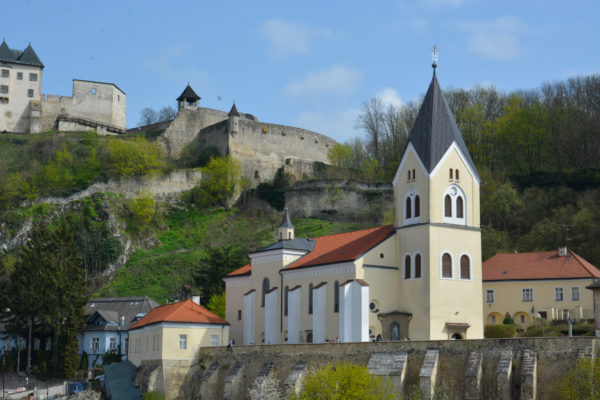
Trenčín Castle – dominant feature of the city of Trenčín and the entire region of Považie. Together with Spiš Castle and Devín Castle, Trenčín Castle belongs to the most extensive castles in Europe. Since ancient times, the castle has guarded trade routes connecting the region of Northern Ugria and mining towns of Central Slovakia with Bohemia, Moravia, Silesia and Poland. History of the castle dates back to the 11th century, when it...
Mierové Square (Mierové námestie)
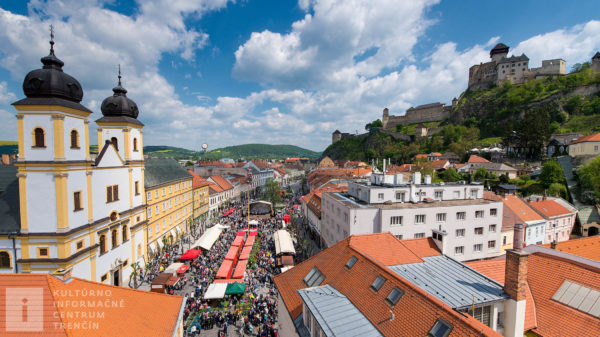
Visitors to Trenčín are often captivated by the exclusive view offered directly from the central zone of the city onto its historical symbol – Trenčín Castle. However, this uniqueness and the lively atmosphere of Mierové námestie continue to enchant locals just as much. The original layout of Trenčín was shaped by an old historical route that connected the Moravian Gate through the Považie region with the...
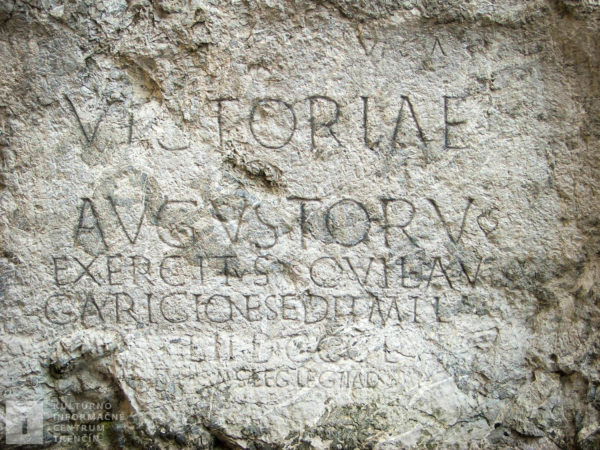
Roman inscription on the rock
Imagine that almost 2000 years ago, Roman soldiers were present in the territory of Trenčín. This is evidenced by an inscription carved into a massive rock cliff. The Roman inscription from 179 is one of the few written records confirming the presence of Romans in Central Europe. It was carved into the castle rock below Trenčín Castle. The text commemorates the Romans’ victory over the Germanic Quadi tribe. No need to translate it yourself—we’ll tell...
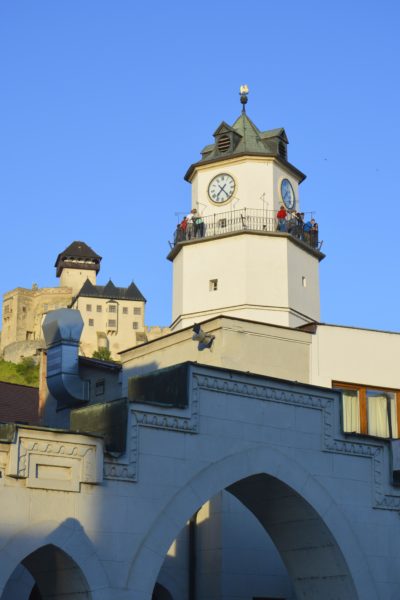
City tower (Mestská veža)
It truly is the gateway to the “main” Mierové Square, as it once bore the name Lower Gate. Begin your pleasant walk through the city’s historic center under the arches of the City Tower, but for romantic views or original photographs, it's worth climbing all the way to the top. The City Tower was likely built as part of the city’s fortifications in the early 15th...
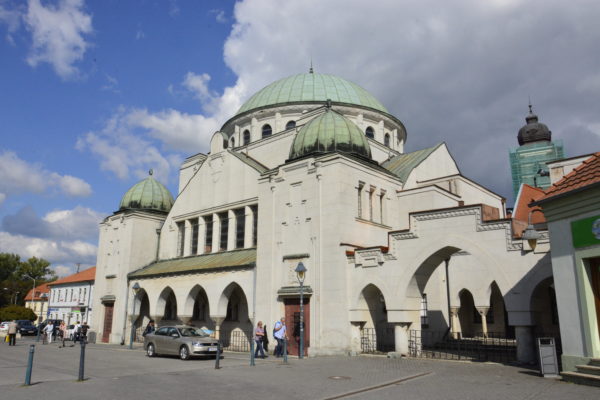
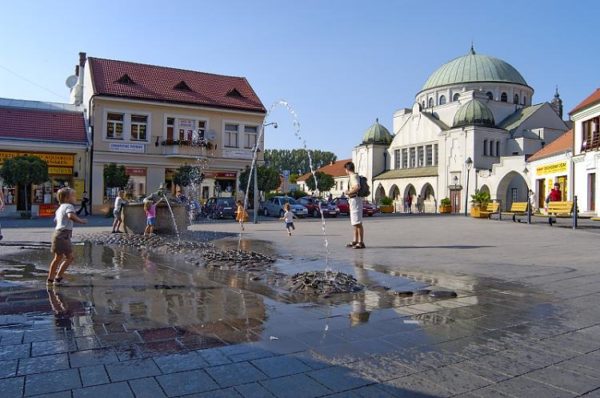
Synagogue (Synagóga)
Gallery of M. A. Bazovský (Galéria M. A. Bazovského)
Gallery of M. A. Bazovský was established in 1969 and is named after Miloš Alexander Bazovský who lived his last years of life in Trenčín. It offers a unique collection of Slovak art of 20th century, as well as permanent exposition of the works of M. A. Bazovský. Visitors can admire the author´s distinctive work focused on the Slovak countryside, still-life and figural compositions. In his work, Bazovský brilliantly, emotionally and...
Parish Church of the Birth of Virgin Mary (Farský kostol)
The Parish church on Mariánske Square serves as a kind of “opening act” for visitors heading to Trenčín Castle. Located about halfway up to the castle, it's a pleasant place to catch your breath and take in the views of the town. From here, you can enjoy scenic sights of the opposite Piarist Church, the City Tower, and the arcaded...
Štúr Square
Štúr Square is named after the prominent Slovak national revivalist and codifier of the Slovak language, Ľudovít Štúr. In the past, this part of the city was a suburb, featuring a central area in front of the city walls. After the walls were demolished (1837–1873), the originally single-story, mostly brick houses were replaced by brick houses of craftsmen and shopkeepers. The square used to host livestock and...
Relief of Ján Jiskra of Brandýs
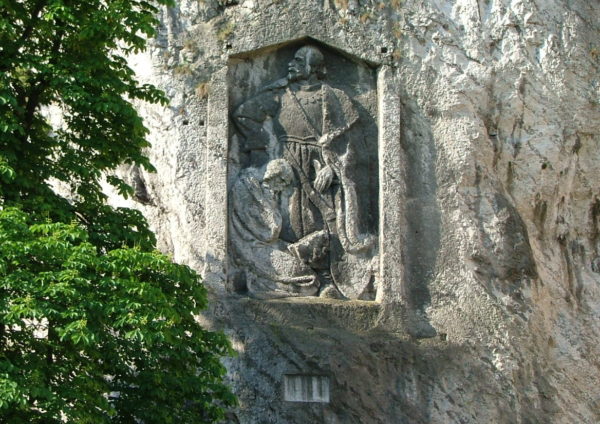
In the years 1915–1916, on the castle rock near Hotel Elizabeth, the Relief of Victorious Hungary was carved, symbolizing the heroism of the former Kingdom of Hungary, accompanied by a Hungarian inscription, based on a design by sculptor Michal Kara. Due to its ideological incompatibility with the political line of the new republic, in 1921 the original relief was re-carved as the Relief of Ján...