; ?>)

Mestská veža – tretie podlažie
Mestská veža – tretie podlažie
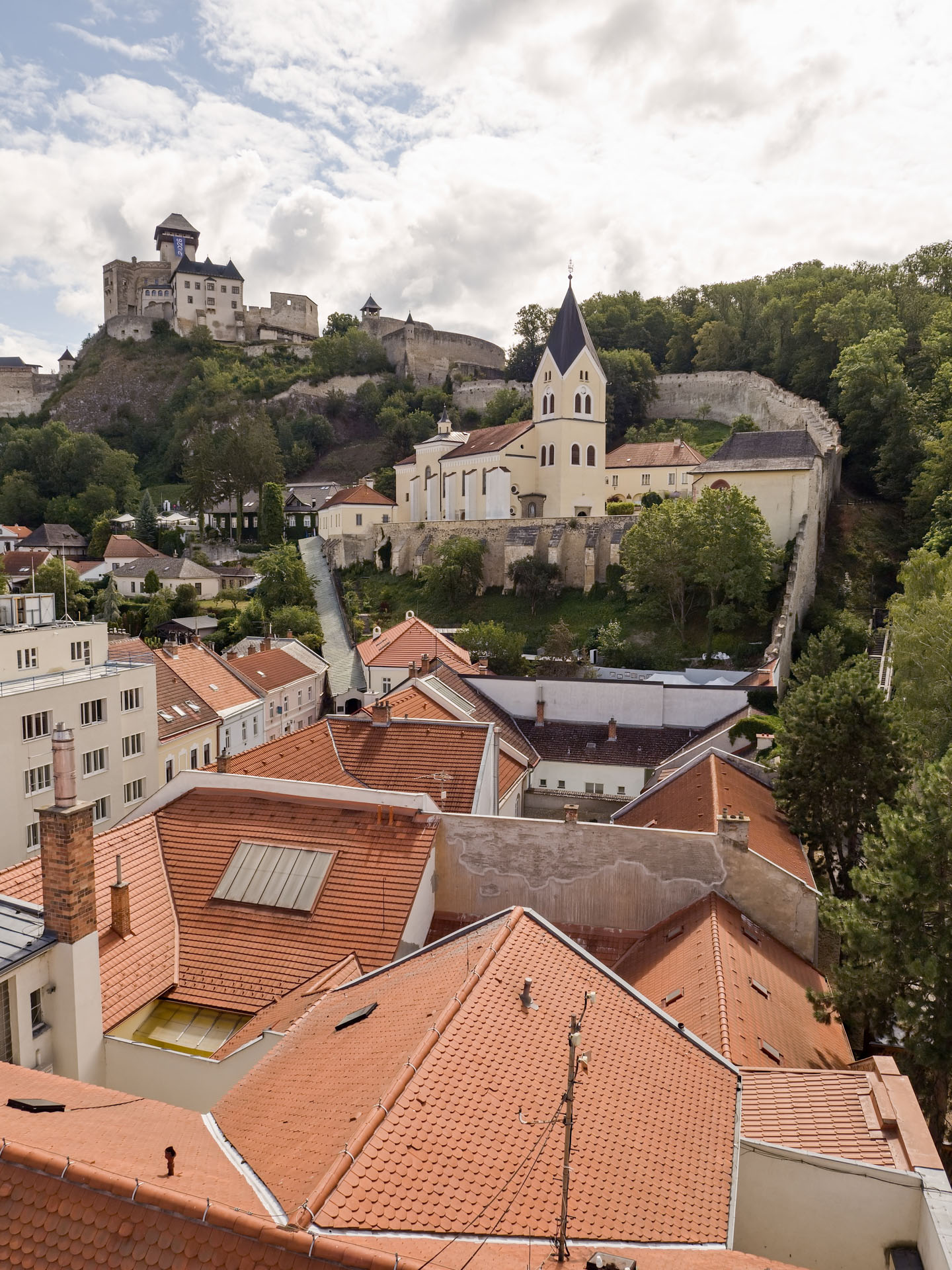
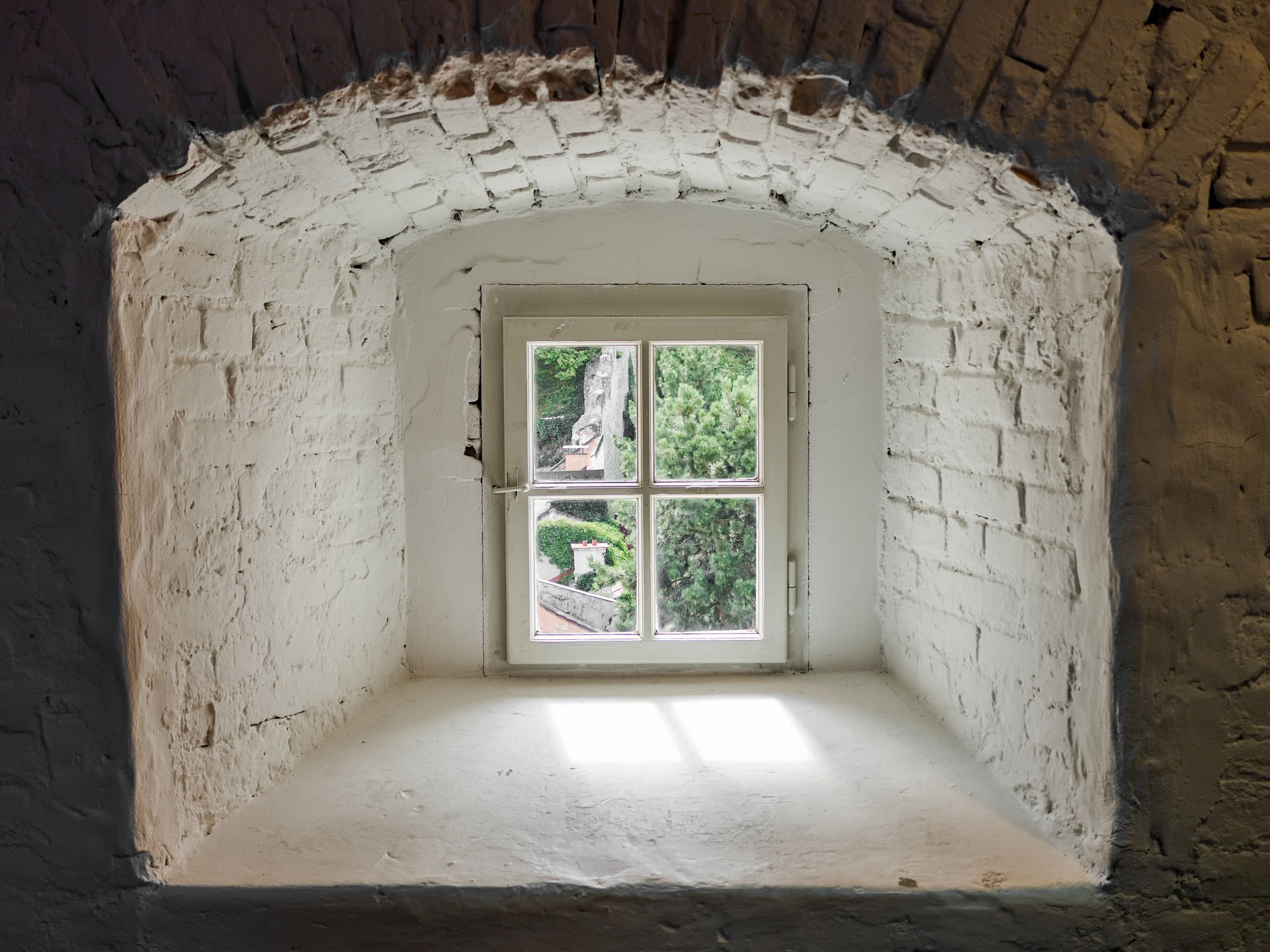
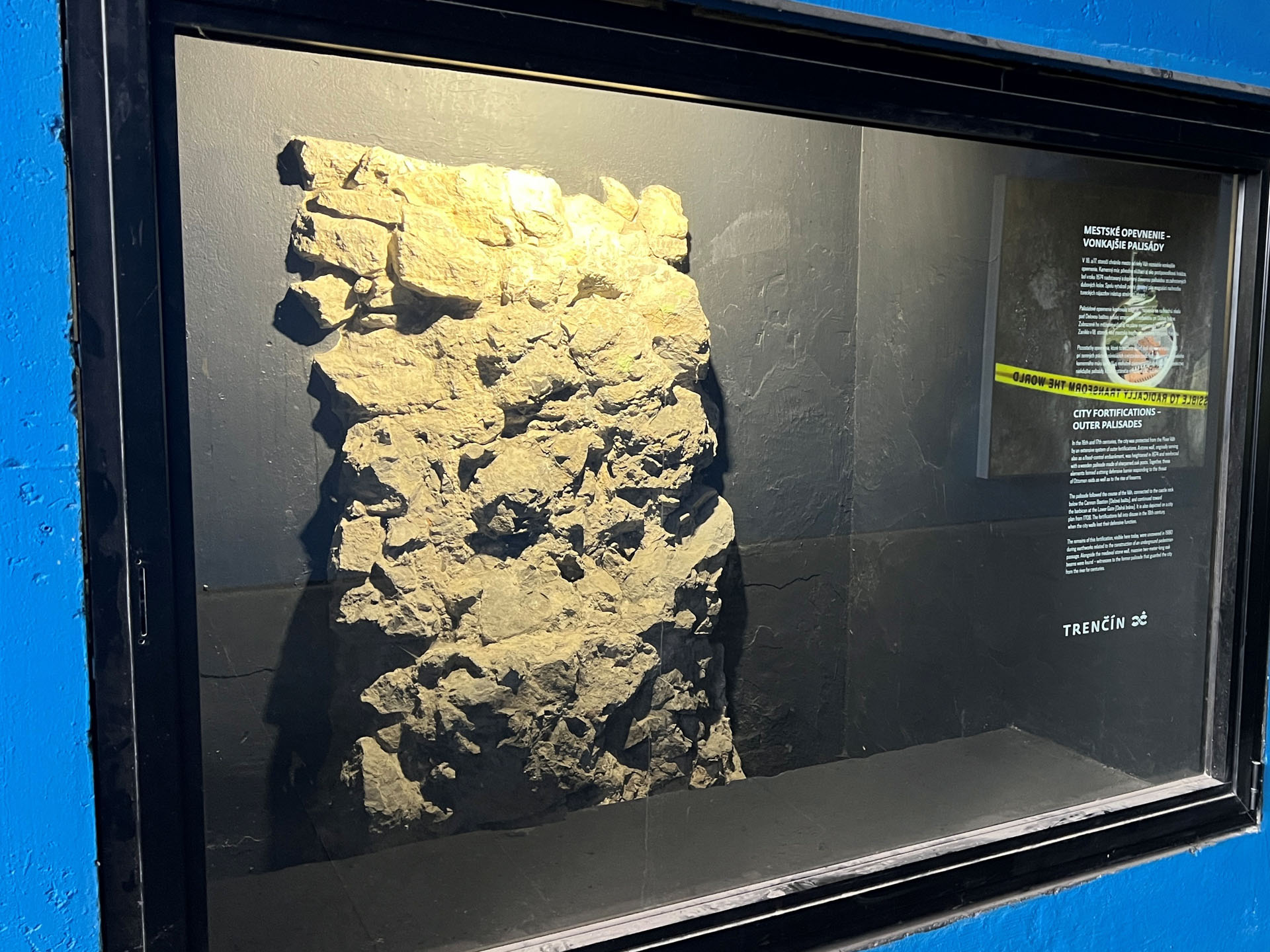
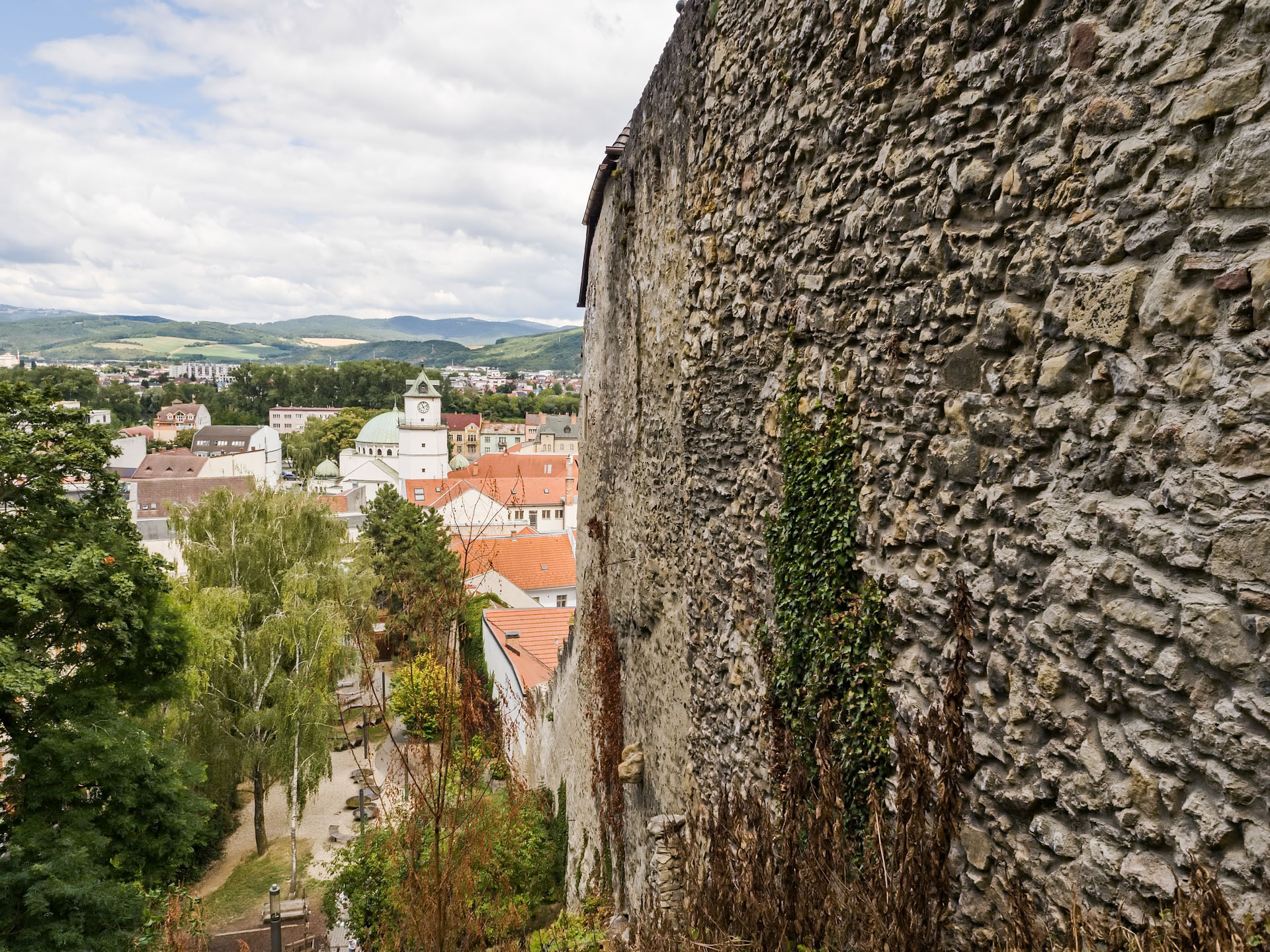
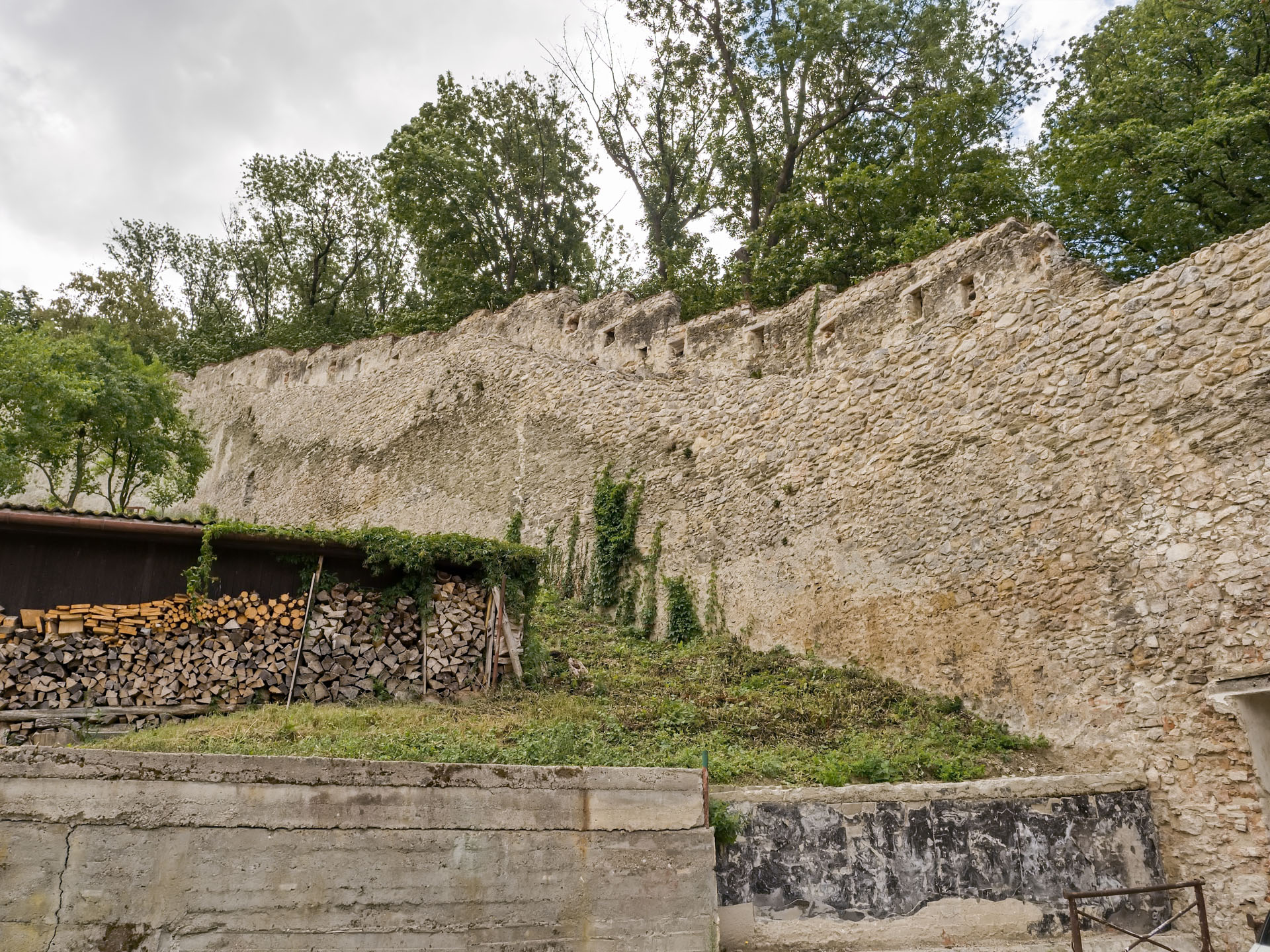
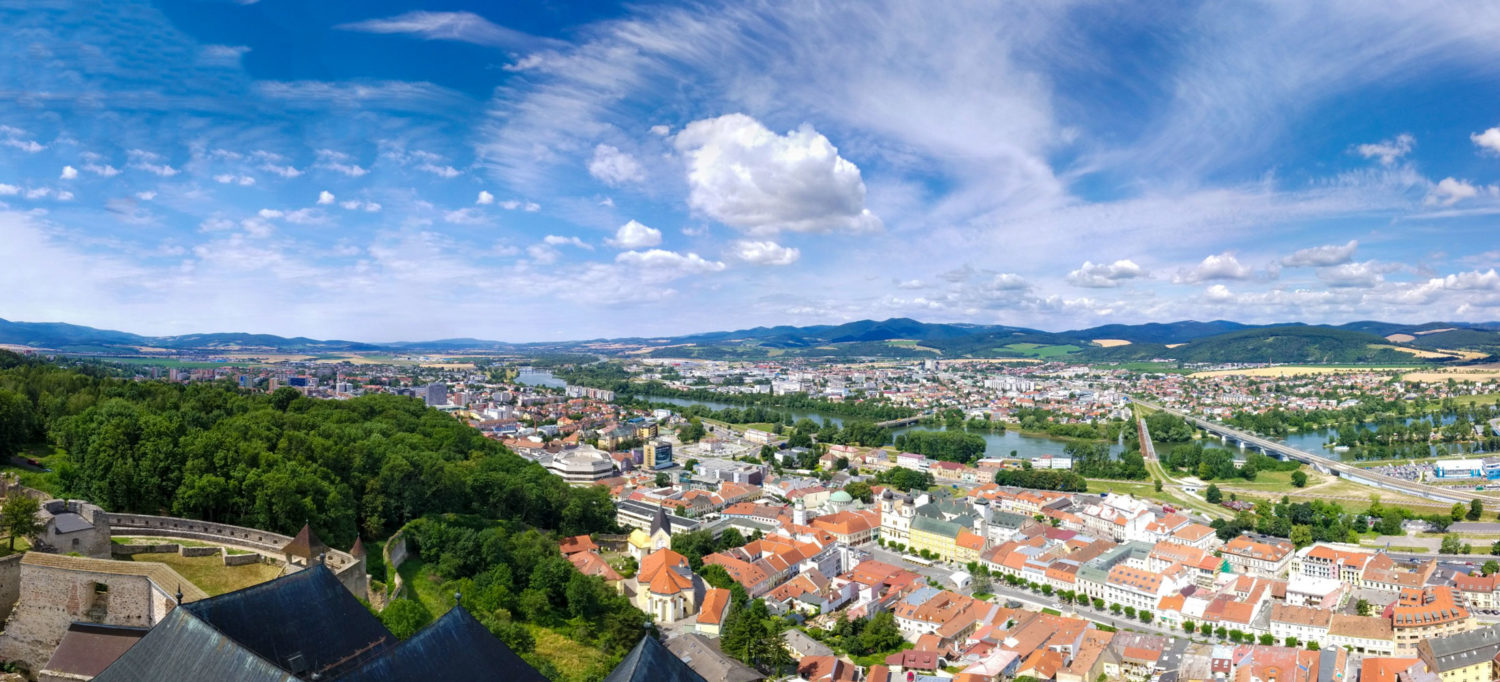
Nahliadnite okienkom smerom k hradu a lesoparku Brezina a všimnite si pôvodné zachované hradby opevnenia, ktorých súčasťou bola Mestská veža. Línia zachovanej juhovýchodnej hradby od Mestskej veže pokračuje smerom ku Karneru sv. Michala a pripája sa k južnému opevneniu hradu. Tieto pozostatky opevnenia nemuseli vzhľadom na komplikovaný terén ustupovať prestavbám a rozširovaniu mesta novou zástavbou, preto zostali stáť až do dnešných čias. Inak tomu bolo v prípade opevnenia v západnej a severnej línii, ktoré sa stalo súčasťou stavieb na Palackého ulici a v ukončení Mierového námestia. Zaniklo aj západné palisádové opevnenie, no časť jeho kamenného múru, ktorý bol pôvodne súčasťou kamennej protipovodňovej hrádze, je možné vidieť v podchode na Hasičskej ulici. Po ukončení tureckej hrozby, po období protihabsburských povstaní a po požiaroch mesta a hradu opevnenie postupne stratilo význam a naviac, bránilo v rozširovaní mesta.
Look through the window toward the castle and the Brezina forest park and notice the original preserved fortification walls of which the City Tower was a part. The line of the preserved southeastern wall continues from the City Tower toward the Ossuary of St. Michael (Karner sv. Michala) and connects to the southern fortifications of the castle. Due to the complicated terrain, these remains of the fortifications did not have to give way to later reconstructions and the expansion of the town with new buildings, and therefore they have survived to the present day. This was not the case with the fortifications along the western and northern lines, which became part of the buildings on Palackého Street and at the end of Mierové Square. The western palisade fortifications also disappeared, but part of their stone wall – originally part of a stone flood-protection embankment – can still be seen in the underpass on Hasičská Street. After the end of the Turkish threat, the period of anti-Habsburg uprisings, and the fires that struck the town and the castle, the fortifications gradually lost their importance and, moreover, hindered the expansion of the town.