; ?>)

Mestská veža – balkón hore
Mestská veža – balkón hore
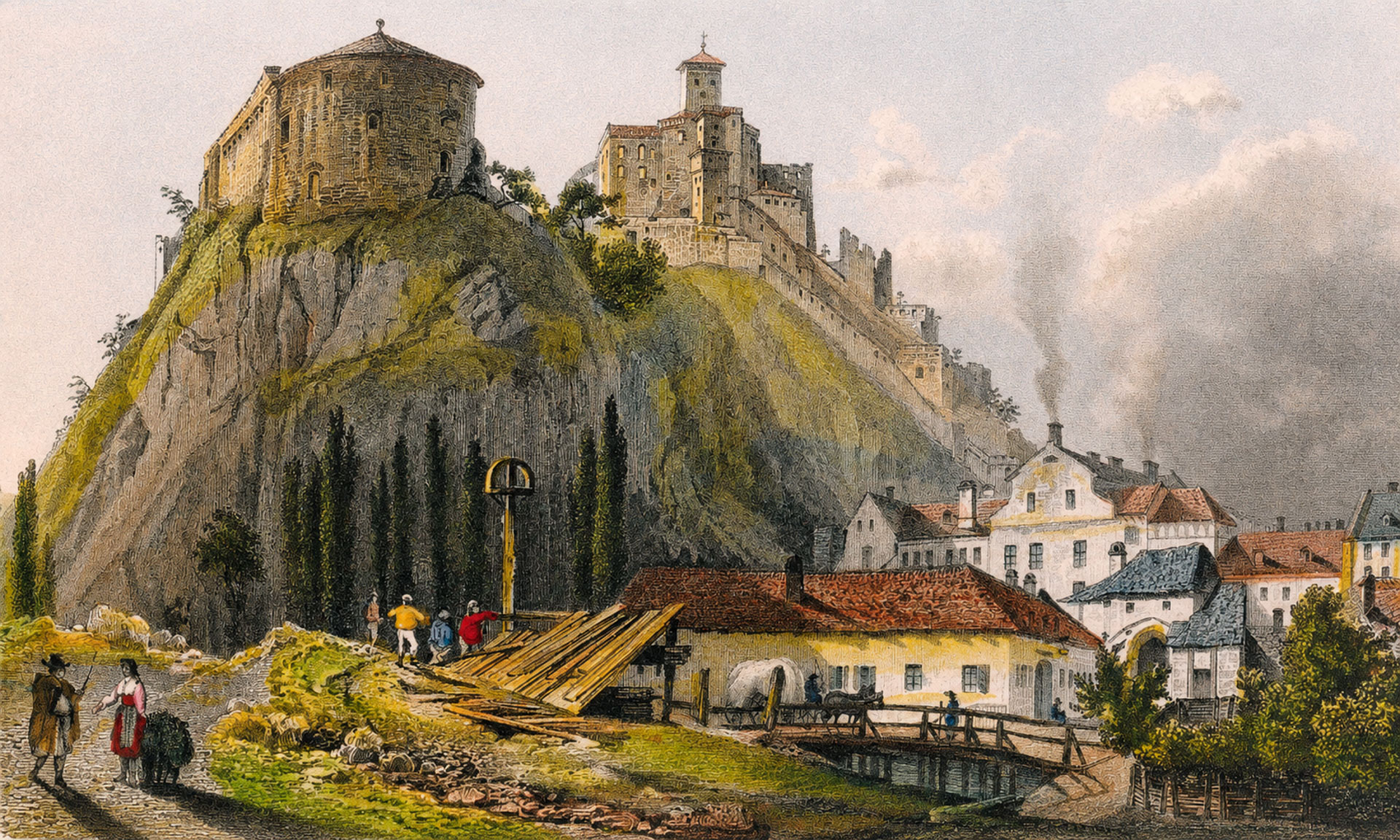
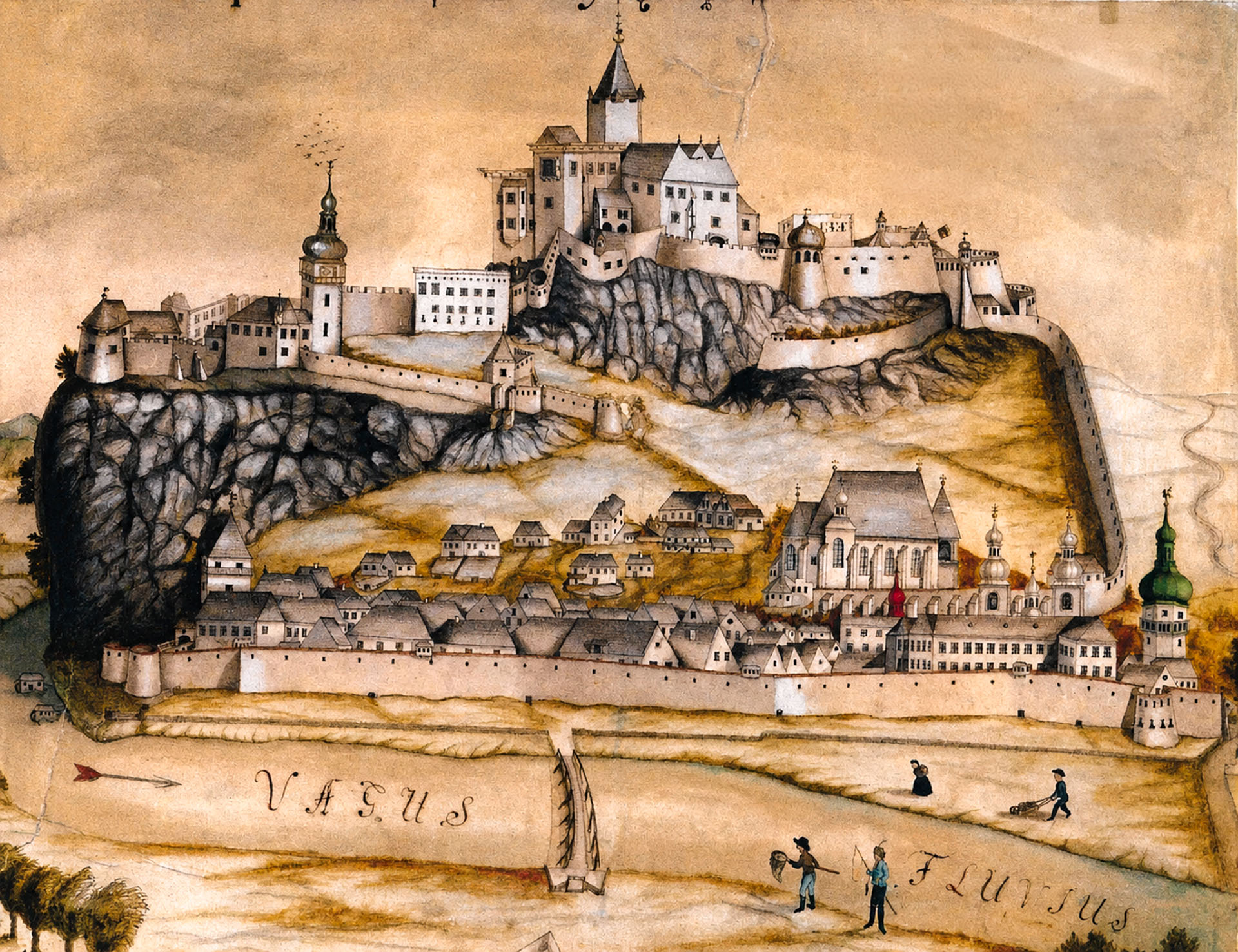
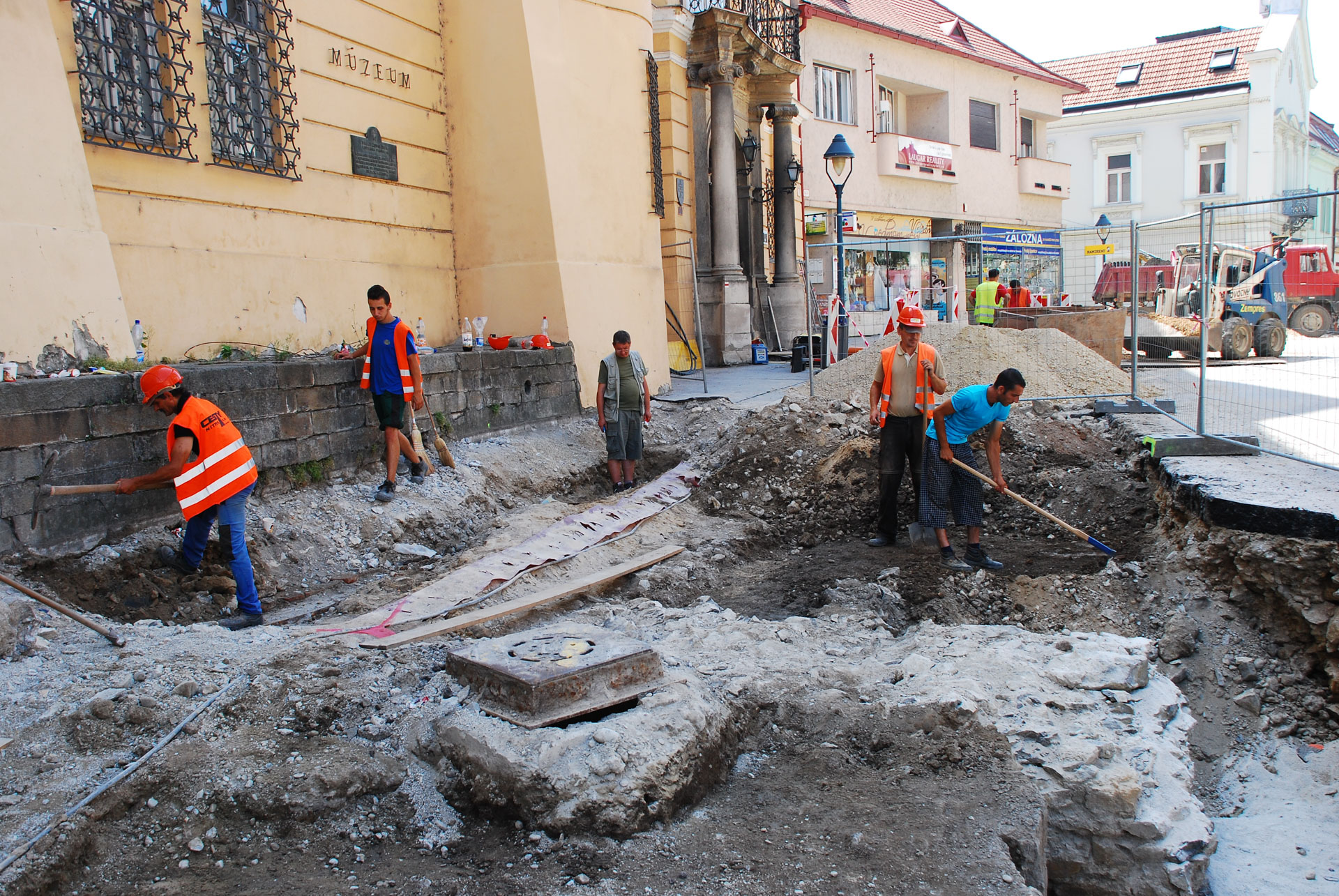
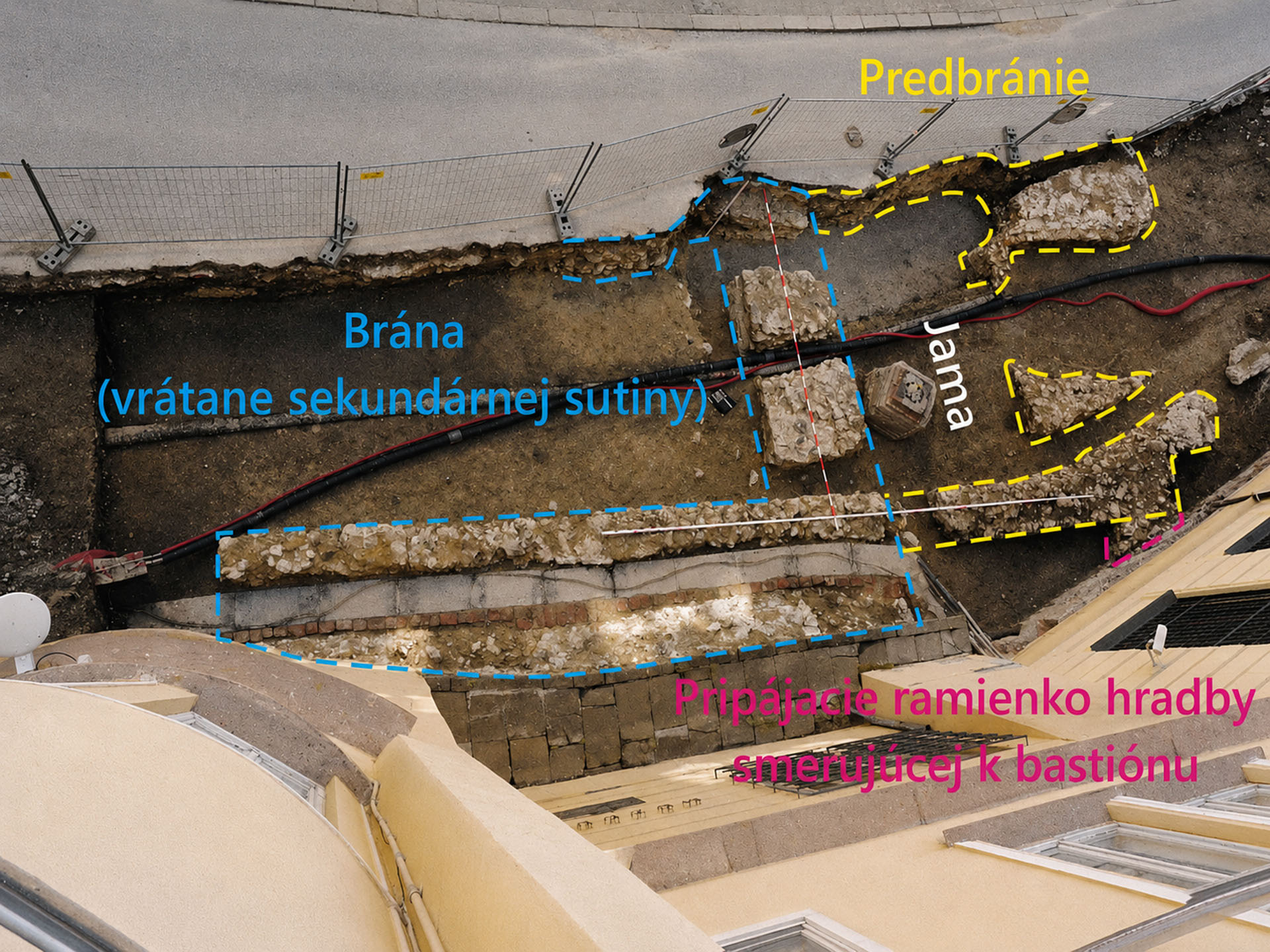
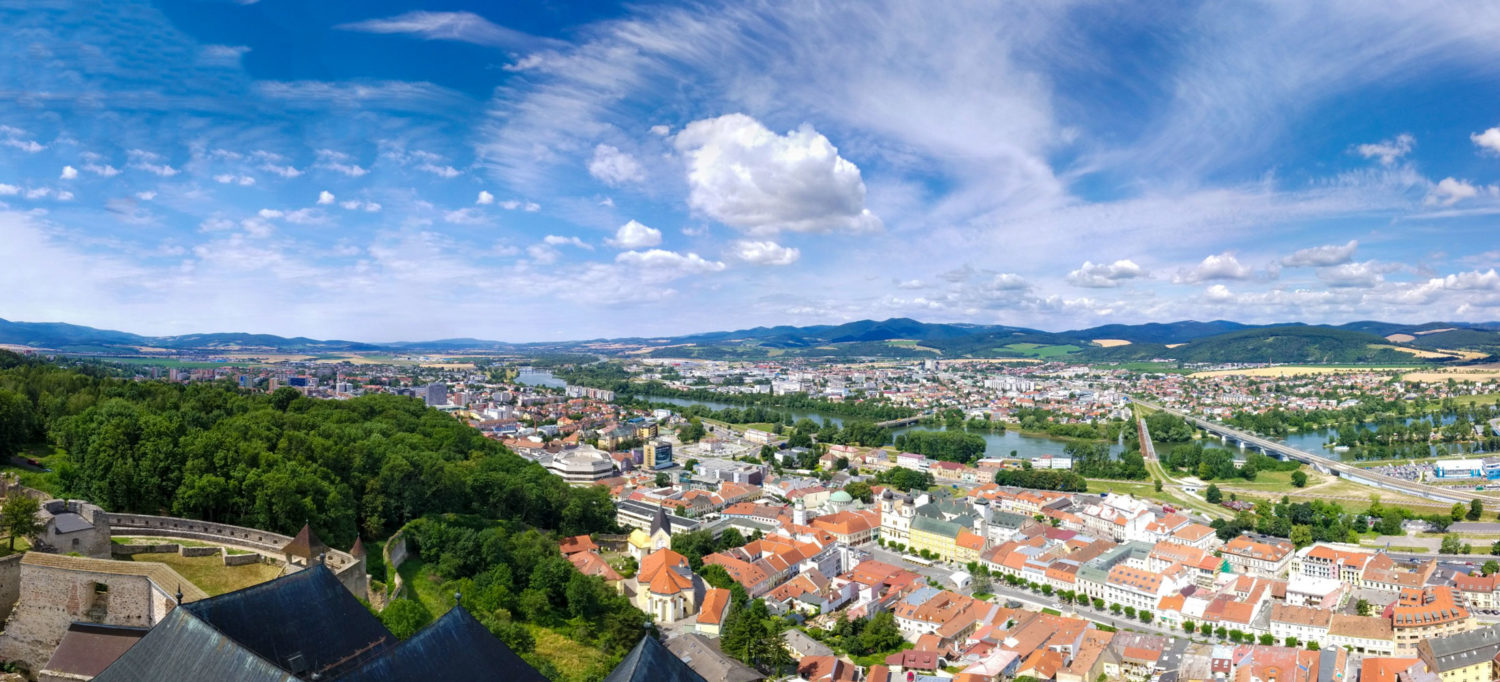
Mestská veža poskytuje panoramatický výhľad na mesto aj okolie. Po zdolaní pár desiatok schodov si teraz vychutnajte jedinečný výhľad priamo v centre mesta. Všimnite si líniu pôvodného opevnenia mesta od hradu, cez lesopark Brezina k Mestskej veži, následne poza synagógu až na Palackého ulicu. Na jej samotnom konci, v priestore ulice pred Trenčianskym múzeom a Hotelom Elizabeth stála Horná brána, nazývaná aj Vodná brána. Tvorila vstup do mesta cez mosty ponad rieku Váh. V minulosti sa rieka rozvodňovala a jej súčasťou bolo rameno, ktoré tieklo v tesnej blízkosti mestského opevnenia. Aj preto mesto v minulosti pomerne často postihovali povodne. Horná brána mala podobu prejazdu cez bránovú hranolovú vežu s predbráním, ktoré zakončovali dve valcové veže. Chránili ju delá umiestené v delovej bašte, ktorá je súčasťou Trenčianskeho hradu. Brána napokon musela ustúpiť praktickým potrebám mesta a bola v roku 1871 zbúraná. Vydajte sa na druhý koniec námestia a všimnite si pôdorys umiestnenia brány znázornený v dlažbe na mieste, kde pôvodne stála.
The City Tower offers a panoramic view of the town and its surroundings. After climbing a few dozen steps, take a moment to enjoy the unique view right in the heart of the town. Notice the line of the original town fortifications stretching from the castle, through the Brezina forest park to the City Tower, then past the synagogue and on to Palackého Street. At its very end, in the area of the street in front of the Trenčín Museum and Hotel Elizabeth, stood the Upper Gate, also known as the Water Gate. It formed the entrance to the town via bridges crossing the Váh River. In the past, the river frequently flooded and included a branch that flowed in close proximity to the town fortifications. For this reason, the town was quite often hit by floods. The Upper Gate took the form of a passage through a prismatic gate-tower with an outer gate, ending in two cylindrical towers. It was protected by cannons placed in an artillery bastion that is part of Trenčín Castle. Eventually, the gate had to give way to the practical needs of the town and was demolished in 1871. Head to the other end of the square and notice the outline of the gate’s ground plan marked in the paving at the place where it originally stood.